
Choosing a residential park home is not only a practical move but a full lifestyle change, focused on comfort, community, and simplicity. If you’re downsizing, looking for a quieter life, or hoping for a fresh start, learning about year-round park home living can help you decide if it’s right for you.
What Is a Residential Park Home?
How residential park homes are defined in the UK
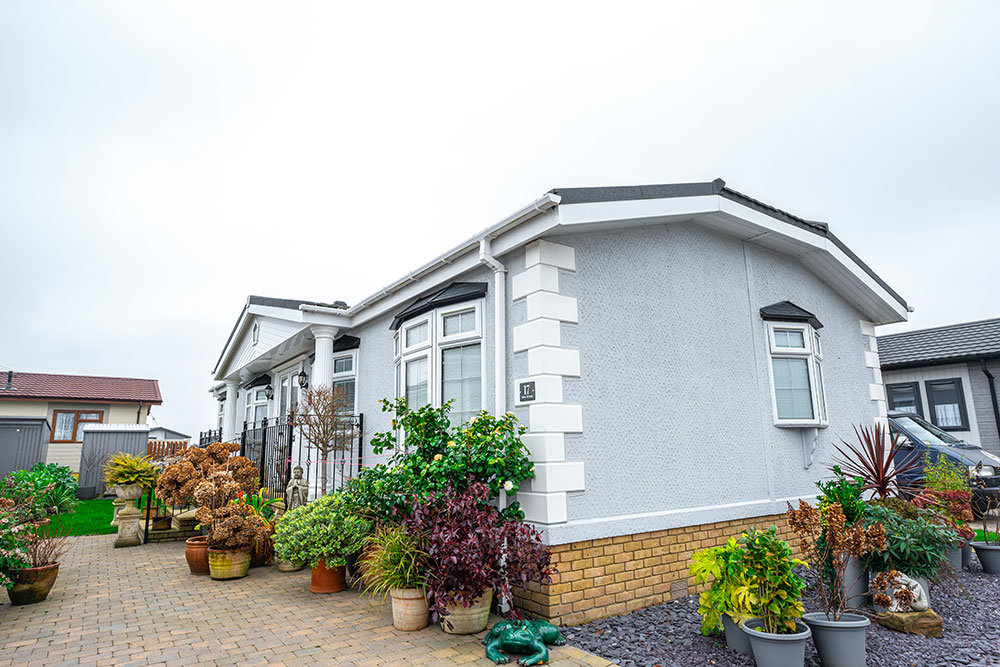
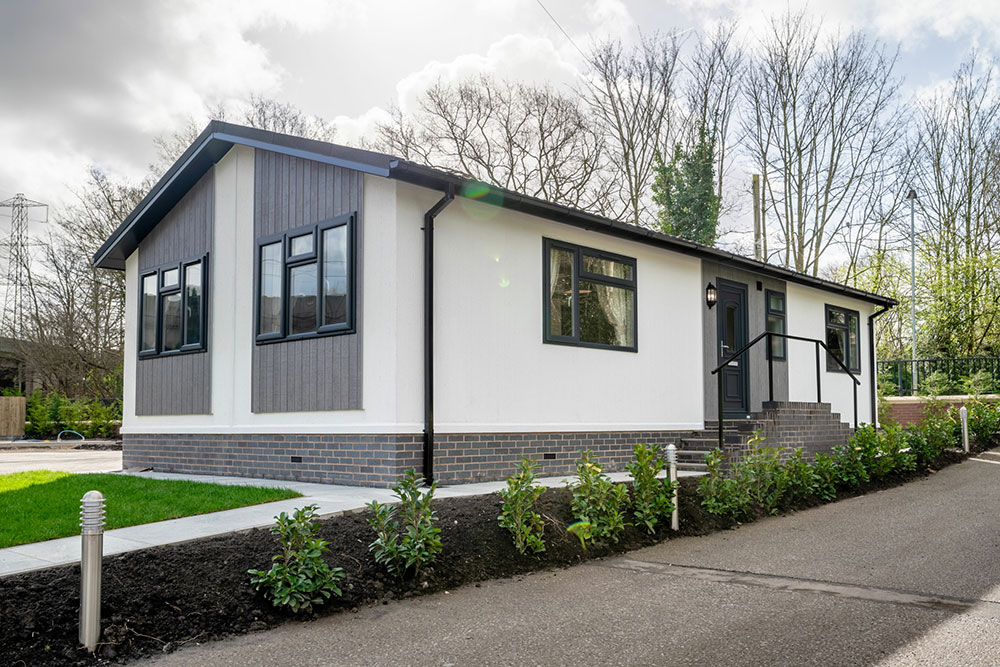
In the UK, residential park homes are modern, single-storey detached homes built to BS3632 standards for year-round living. They are situated on fully licensed residential parks and are legally recognised as a main residence when the park holds a full residential licence.
How they differ from holiday lodges and static caravans
While they may look similar, residential park homes differ in three key ways:
- You can live in them full-time, unlike holiday-only parks that restrict occupancy.
- Higher insulation and energy efficiency, BS3632 homes are built for all-season comfort.
- Greater security of tenure, homeowners are protected under the Mobile Homes Act.
This makes them a great choice for anyone looking for a real residential park home, not just a place for seasonal stays.
Who typically chooses park home living?
Most buyers are over 50s looking for:
- A peaceful, community-focused lifestyle
- A lower-maintenance alternative to a traditional house
- A chance to release equity and lower living costs
- Safe, friendly neighbourhoods with like-minded residents
What Does 12-Month, Year-Round Living Actually Mean?
Residential licences vs holiday-only licences
A 12-month residential park home sits on a park with a residential licence, meaning:
- You can live there as your main home
- You register for council tax
- You have full legal rights as a resident
Holiday sites, meanwhile, can never be lived in full-time.
Living there as your main, full-time home
With a residential licence, you can:
- Register with local GPs and services
- Receive post and deliveries
- Stay in your home all year round
Living in a park home is much like living in a bungalow, but in a simpler and more supportive setting.
Community life across the seasons – not just in summer
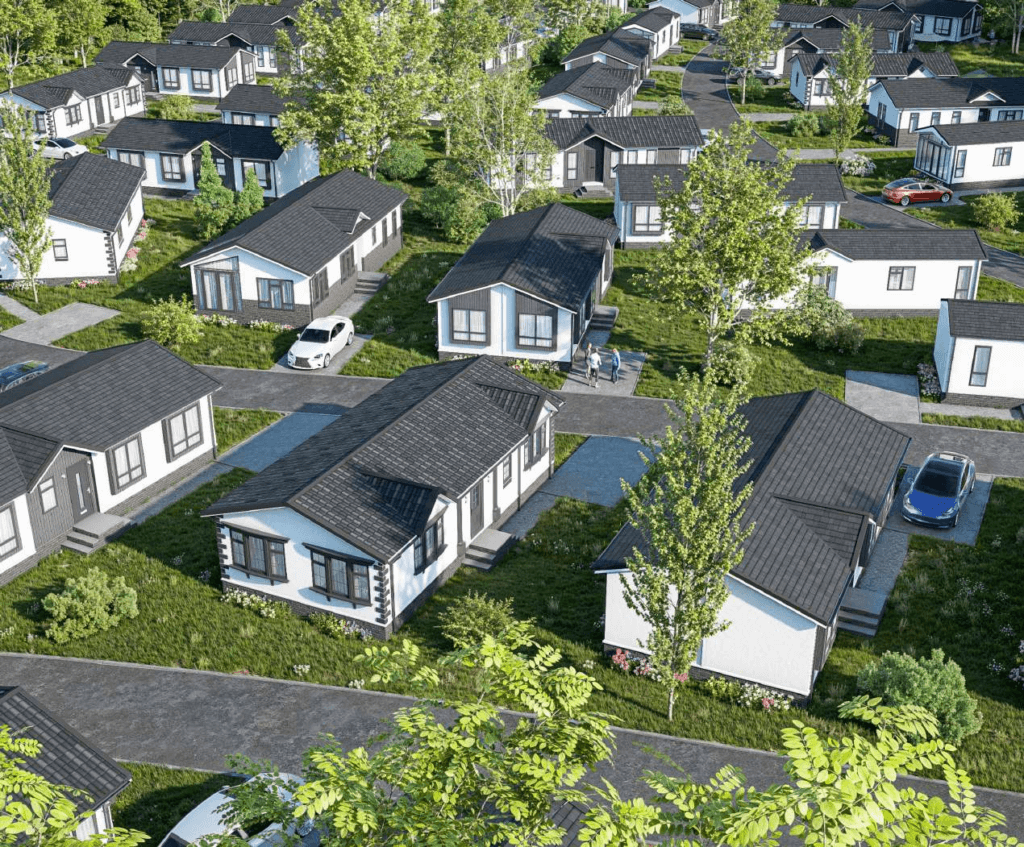
One of the best things about year-round park homes is the lively community that stays throughout the year. You can expect:
- Cosy winter gatherings
- Quiet mornings with countryside or coastal views
- Friendly neighbours who look out for one another
- Parks that stay beautifully maintained in every season
Everyday Life in a Modern Park Home
Layouts, interior space and outdoor areas
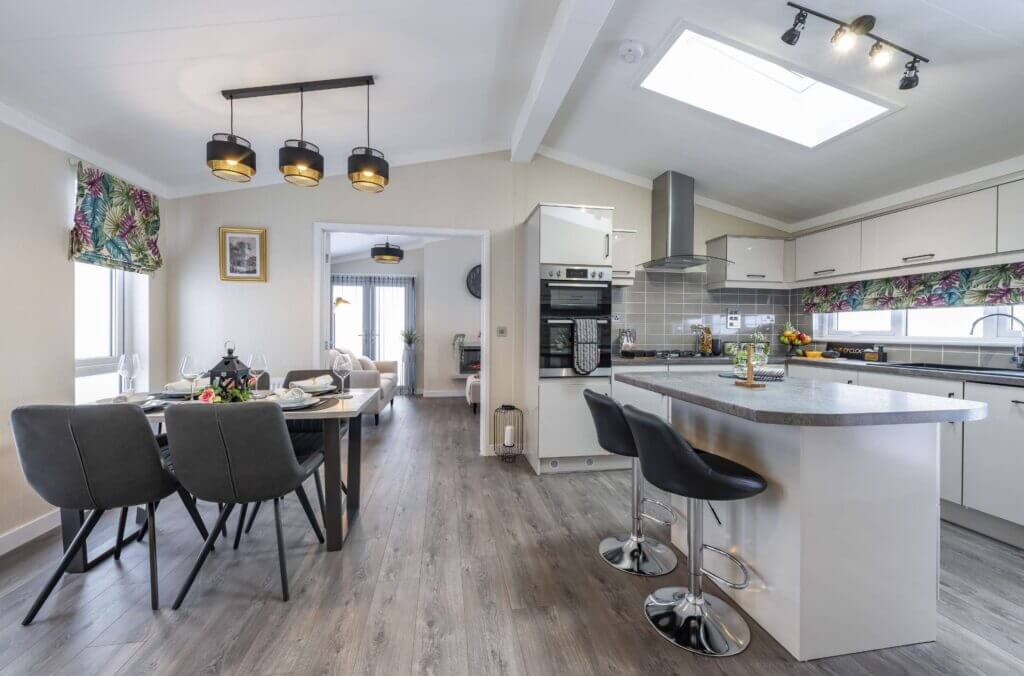
Today’s park homes for over 50s feature:
- Open-plan living
- Stylish kitchens and bathrooms
- Private gardens and driveways
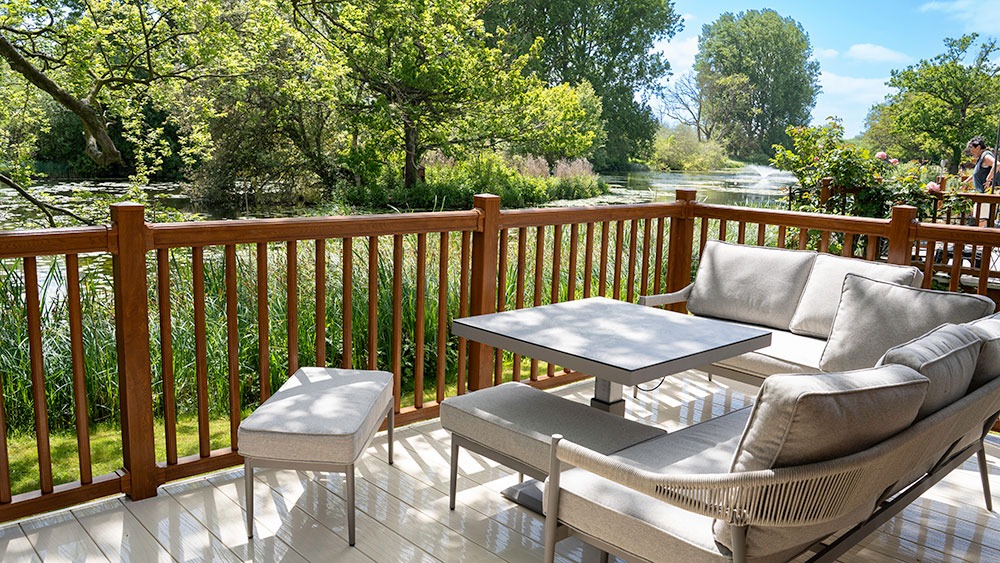
- Optional decking and landscaping
Warmth, insulation and comfort in winter
Built to BS3632, residential homes offer:
- Superior insulation
- Efficient heating
- Double glazing
- Comfortable all-season living
On-park facilities, security and sense of community
Depending on the park, you may enjoy:
- Electric gates and CCTV
- Well-lit pathways
- On-site management
- Community events and warm, neighbourly support
- Manicured grounds
This is what park home living is all about: it’s simple, safe, and welcoming.
Do You Pay Council Tax on a Residential Park Home?
How council tax works for residential park homes
If you live in a park home full-time, you pay council tax just like you would in any other home.
Typical council tax bands and discounts
Park homes are usually in Band A, the lowest band.
Single occupants may also qualify for a 25% discount.
Who to speak to before you buy
Before purchasing, contact:
- The local council for banding confirmation
- The park operator for advice
- Your solicitor for a check of legal obligations
Do You Pay Site (Pitch) Fees on a Residential Park Home?
What pitch/site fees are and why they’re charged
Pitch fees cover the cost of placing your home on the park and accessing shared infrastructure.
What’s usually included in site fees
Most parks include:
- Grounds and road maintenance
- Street lighting and drainage
- Landscaping
- Security and management services
How and when pitch fees can be reviewed or increased
Pitch fees are usually reviewed once a year and often change in line with CPI inflation. Any changes must follow the rules set out in the Mobile Homes Act.
How Long Do Residential Park Homes Last?
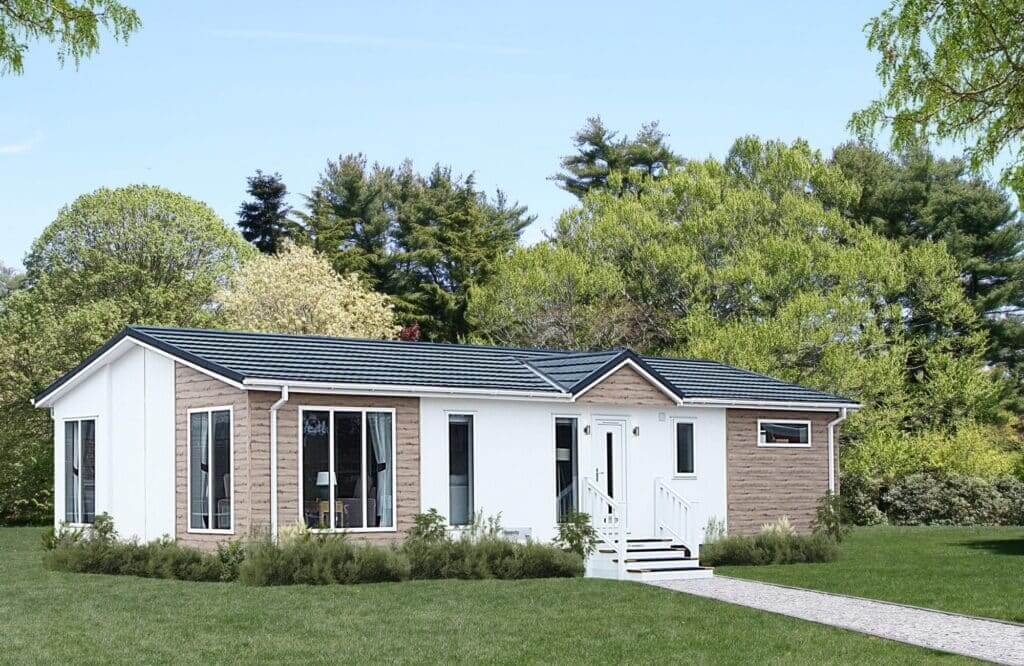
Modern build standards and quality
Built to BS3632, today’s homes use:
- Residential-grade insulation
- High-quality timber frames
- Robust chassis systems
- Durable roofing materials
Typical lifespan with good maintenance
A well-cared-for park home can last over 50 years, and sometimes even longer.
Simple maintenance routines
To keep your home in great condition:
- Clean gutters yearly
- Treat external finishes as recommended
- Check underfloor ventilation
- Inspect decking and driveways
Can I Buy a Residential Park Home with Finance?
Why standard mortgages usually don’t apply
Park homes are bought with a pitch agreement instead of freehold land ownership, so traditional mortgages usually don’t apply.
Specialist finance and part-exchange options
You may consider:
- Specialist park home loans
- Part-exchange park homes (offered by EKOS)
- Assisted move services
- Short-term bridging options (with advice)
Using equity from your existing home
Many people over 50 pay for their new park home by selling their current property and using the money from that sale.
Choosing the Right 12-Month Residential Park for You
Location, healthcare access and local amenities
Think about:
- Proximity to GPs, shops and public transport
- Whether you prefer coast, countryside or market towns
- Distance to family
Park rules, age limits and pet policies
Most residential parks for over-50s have:
- Age criteria
- Pet-friendly policies
- Community guidelines for peaceful living
Questions to ask on open days
- What is included in the pitch fee?
- Is the licence fully residential?
- How does resale work?
- What are the park’s long-term development plans?
Is 12-Month Park Home Living the Right Move?
Lifestyle benefits
Park home living offers:
- Peace and quiet
- A friendly, like-minded community
- Safe, well-kept parks
- Low-maintenance homes
- Cost-efficient living
Potential drawbacks
Before committing, consider:
- Pitch fees are ongoing
- Homes cannot usually be mortgaged
- Resale values can vary by park and location
Next steps
- Seek legal advice on the Written Statement
- Get financial planning support
- Visit multiple parks to compare options
How EKOS Homes Can Help You Achieve Your Dream Home
At EKOS Homes, we make your move simple, supportive and fully tailored to you.
- Flexible Part Exchange Scheme: Unlock equity from your current home and secure your new park home without waiting for a sale.
- Managed Move: We handle the entire process for you, including working with estate agents, managing timelines, arranging removals, and more. and more.
- Beautifully Designed EKOS Homes: From contemporary lodge-style designs to traditional, bungalow-inspired layouts, every home is customisable with finishes, layouts and options that suit your lifestyle.
Get in touch with our team today to start your park home journey.