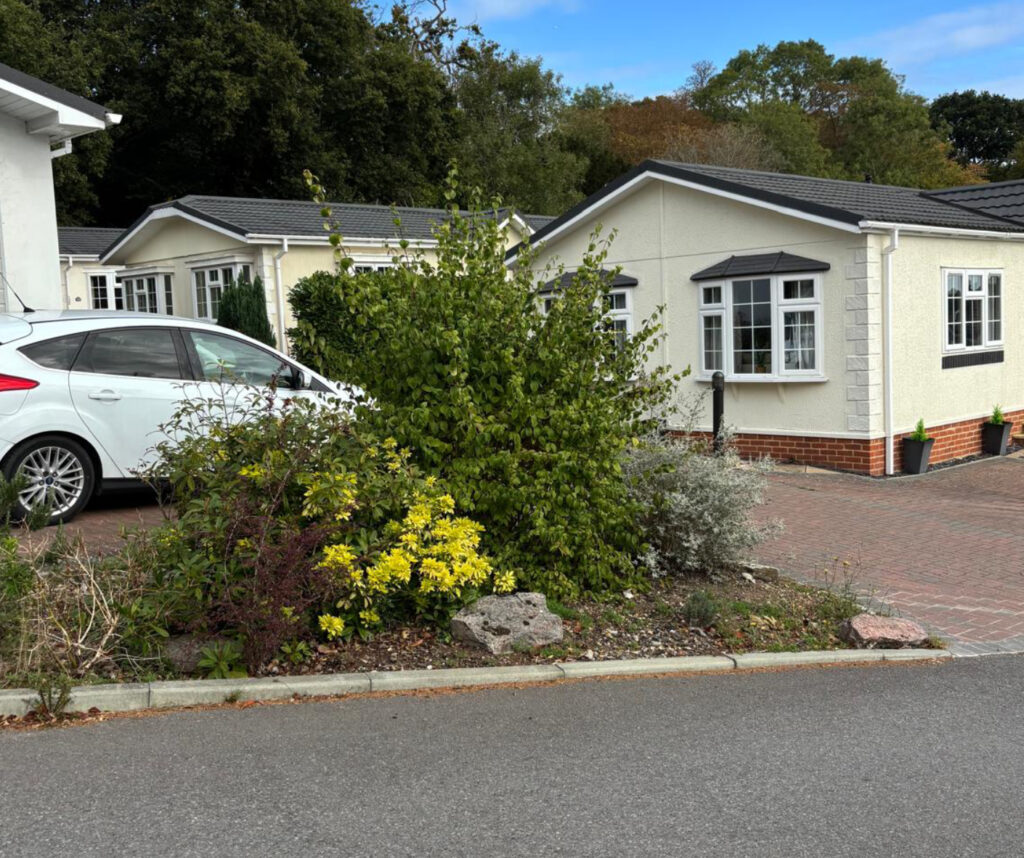
Thinking of buying a residential park home? This is an exciting step towards a new lifestyle, whether you’re downsizing, planning for retirement, or looking for a peaceful community setting, can come with a lot of questions about finances. At EKOS we’ve put together this guide to simplify the various fees that come along with buying a residential park home.

Much like buying a traditional house, many buyers focus primarily on the purchase price of a park home, but there are other costs to consider, too. Understanding ongoing expenses such as park home pitch fees, utilities, council tax and insurance will help you budget with confidence and avoid surprises later on.
Let’s take a look at what fees you pay when buying a park home, how pitch fees work, and the key questions to ask during the viewing stage before making your decision.
What Fees Do You Pay When Buying a Park Home?
So, what fees will you pay when buying your park home? It’s not a one-size-fits-all answer, as this will depend on the park, the home itself, and your own personal circumstances. Typically, however, there are both upfront and ongoing costs to consider.
These may include:
- The purchase price of the park home
- Park home ‘pitch fees’ or ‘site fees’
- Utility costs such as electricity, gas and water
- Council tax
- Home insurance
- Optional extras such as decking, landscaping or home upgrades
- Professional advice or legal review costs
- Future resale fees if/when you sell the home
It’s helpful to understand these residential park home fees from the outset to help you compare different parks so that you can plan your finances accurately.
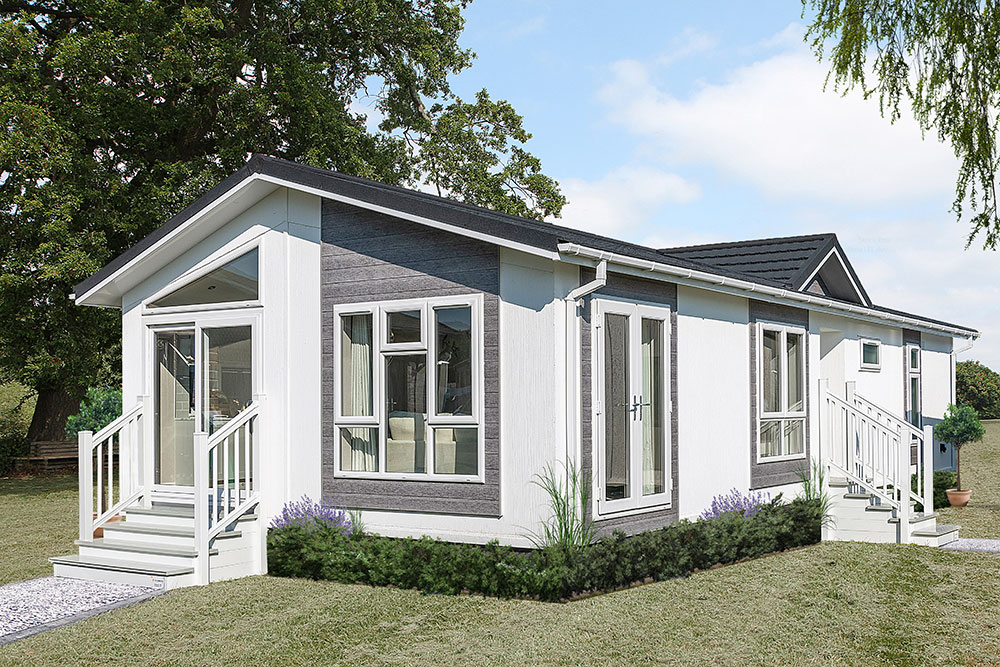
What Are Park Home Pitch Fees?
Park home pitch fees are one of the most important ongoing costs associated with residential park home living. A ‘pitch fee’ is the charge paid for the plot of land where your park home is situated. While you own the home itself, the land remains part of the residential park.
Pitch fees for park homes are typically paid monthly and are separate from the purchase price of the home. In England, the park owner can propose a pitch fee change once a year and must give you at least 28 days’ notice in writing. If you can’t agree to the new pitch fee, either you or the park owner can apply to a tribunal to decide it.
The exact amount varies depending on factors such as:
- The location of the park
- The size and position of the plot
- The services provided by the park
- The individual site agreement
Because every park is different, there is no universal charge, and buyers should always ask for the current pitch fee before committing to a purchase.
Are Pitch Fees the Same as Park Home Site Fees?
In many cases, the answer is yes, ‘pitch fees’ are the same as ‘site fees’. These are often merely interchangeable terms used by buyers and park operators.
The most important thing isn’t necessarily the terminology itself, but understanding exactly what the fee covers. Different residential parks may include different services within their site fees, so it’s always worth reviewing the Written Statement and asking for clarification before purchasing.
When comparing average site fees for park homes, make sure you’re comparing like-for-like services and facilities.
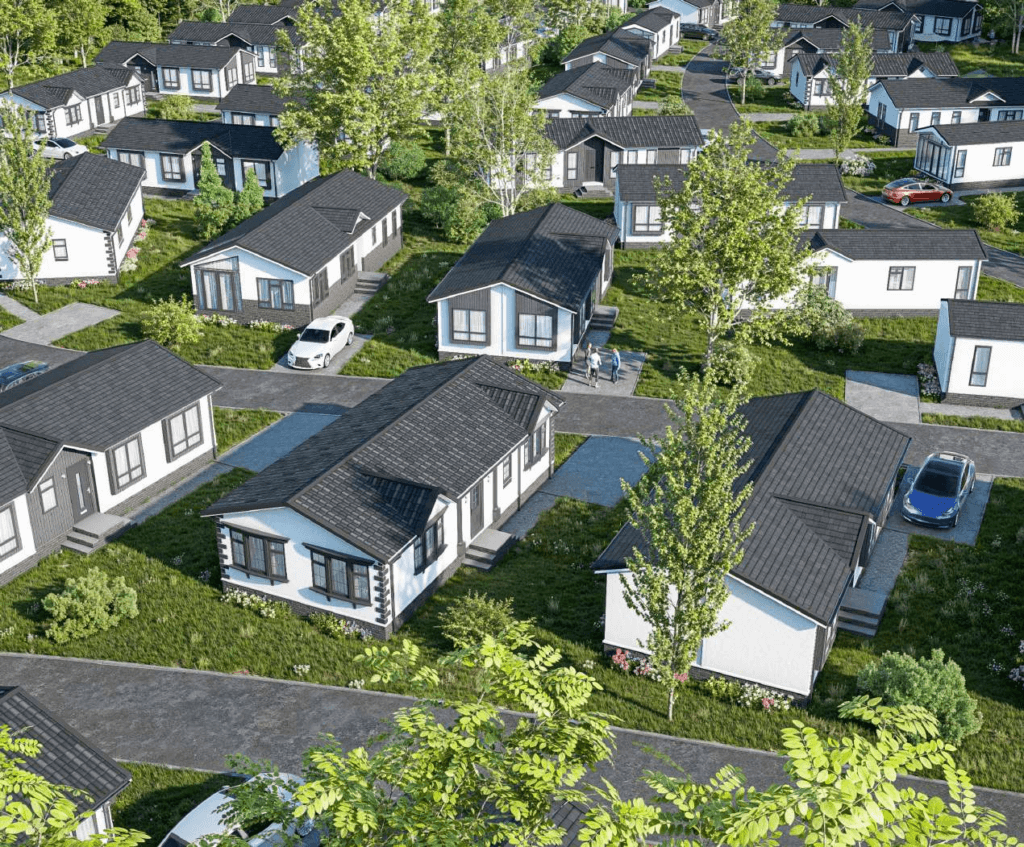
Do Park Homes Pay Ground Rent?
This is another question that often causes confusion. Unlike traditional leasehold properties, residential park homes do not usually operate using a conventional ‘ground rent’ model.
Instead, park home owners generally own the home itself while paying a pitch fee (or site fee) for the right to keep the home on its plot within the park.
For this reason, when people ask “do park homes pay ground rent?”, the closest equivalent is typically the ongoing pitch/site fee. However, every park operates under its own agreement, so buyers should always review the documentation carefully before proceeding.
How Much Are Average Pitch Fees for Park Homes?
Many prospective buyers search for the average pitch fees for park homes when assessing affordability. Unfortunately, there is no single, national figure in the UK.
Park home site fees vary considerably depending on:
- Geographic location
- Demand for the area
- Plot size
- Services provided
- Park facilities
- Maintenance requirements
Many prospective buyers search for the average pitch fees for park homes when assessing affordability. Unfortunately, there is no single, national figure in the UK.
Park home site fees vary considerably depending on:
- Geographic location
- Demand for the area
- Plot size
- Services provided
- Park facilities
- Maintenance requirements
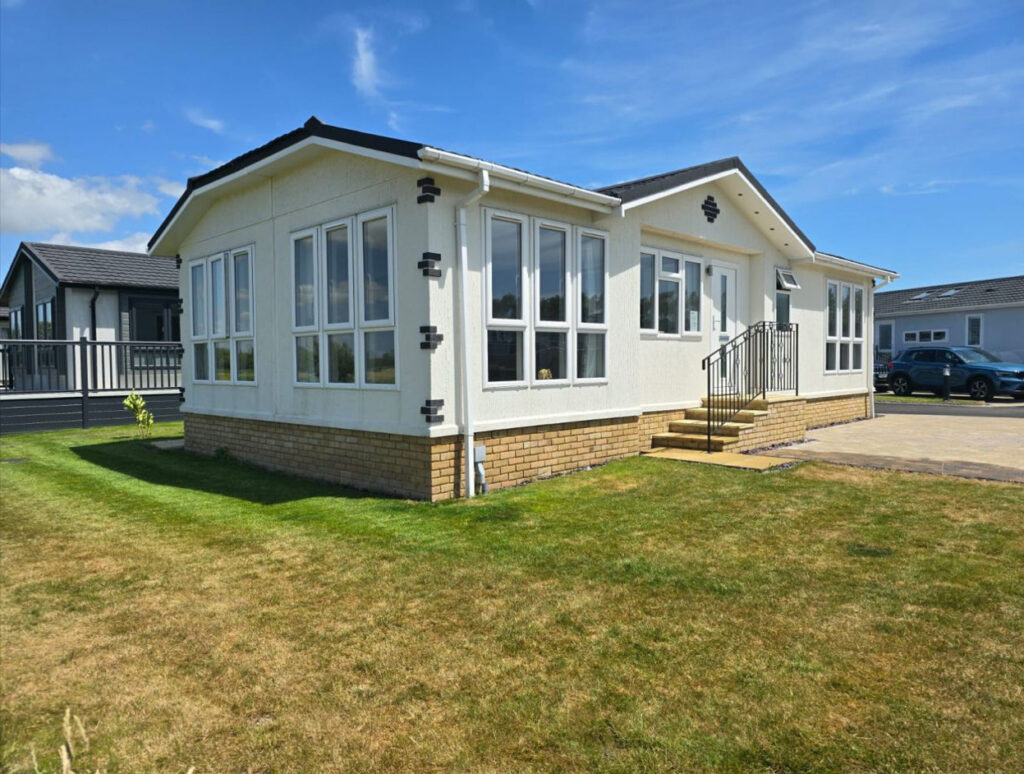
What Do Park Home Pitch Fees Usually Cover?
One of the most important questions to ask is what any residential park home site’s fees cover.
While inclusions vary between parks, pitch fees often contribute towards:
- The right to keep your home on the pitch
- Maintenance of communal grounds
- Roadways and pathways
- Site infrastructure
- Lighting and shared facilities
- General upkeep of the park environment
At EKOS Homes communities, site fees help support the maintenance and management that keeps each park attractive, welcoming and enjoyable for residents. Always ask for a detailed breakdown so you’re fully informed about exactly what is and isn’t included.
What Costs Are Not Usually Included in Park Home Site Fees?
While site fees cover certain aspects of park management, there are several park home running costs that are typically separate.
These often include:
- Electricity
- Gas or LPG
- Water and sewerage charges
- Council tax
- Home insurance
- Broadband and telephone services
- TV packages
- Personal home maintenance and repairs
- Optional upgrades or improvements
Understanding these additional costs can help you create a realistic monthly budget before moving.

Is Stamp Duty Paid on Park Homes?
Stamp Duty Land Tax generally applies to purchases of land and traditional residential property. Since residential park homes are usually purchased separately from the land they occupy, Stamp Duty is often not payable in the same way as it would be when buying a conventional house.
However, tax rules can vary depending on circumstances and location, so buyers should always seek professional legal or tax advice relating to their individual situation before making a purchase.
Can I Get a Loan to Buy a Park Home?
Traditional residential mortgages are not usually available for park homes in the same way they are for bricks-and-mortar properties.
However, there are several ways buyers may fund a purchase, including:
- Savings
- Proceeds from the sale of an existing property
- Part exchange schemes
- Specialist park home finance products
The availability of finance depends on individual circumstances and lender criteria. At EKOS Homes, many buyers use equity released from the sale of their current home to fund their move into a residential park home.
Who Pays the 10% When a Park Home Is Sold?
One aspect of park home ownership that buyers should understand from the outset is the commission payable when a home is sold. Under current legislation in England and Wales, when a park home is sold, the site owner may be entitled to receive a commission of up to 10% of the sale price from the seller.
This commission is paid by the person selling the home rather than the buyer. Because legislation and regulations can change, it’s always advisable to review the latest guidance and understand any future park home resale fees before purchasing.
It’s also worth noting that the government launched a review into the 10% commission charge in March 2026, so it’s sensible to check current official guidance as part of your buying (or selling) decision.

Questions to Ask Before Buying a Park Home
Before committing to any purchase, it helps to ask a few key questions. We’ve compiled a list to keep in mind!
- What is the current pitch fee?
- How often is the pitch fee reviewed?
- What is included in the site fee?
- Are utilities charged separately?
- What council tax band applies?
- Are pets permitted?
- What site rules apply?
- What warranties are included?
- Are there optional extras or upgrade costs?
- What happens if I decide to sell in the future?
These questions can help you build a complete picture of the costs and lifestyle associated with the park, so you feel confident in your purchase!
Understanding Park Home Costs Before You Buy
Residential park home living can offer a wonderful balance of comfort, independence and low-maintenance living, but like any property purchase, it pays to understand the costs involved. From park home pitch fees and utilities to insurance and future resale considerations, being confidently informed of the full picture allows you to budget confidently and make an informed decision.
At EKOS Homes, we believe transparency is essential. That’s why we’re always happy to explain site fees, park rules, warranties and ongoing costs before you buy.
If you’re considering a move to one of our residential parks, speak to our team today to learn more about available homes, current pitch fees and everything you need to know before taking the next step.
Downsizing for Retirement
For many people, there comes a point where home and life start to feel a little different. Children have moved out, routines have changed, and what once felt like the perfect family house may now feel too large, too costly, or harder to manage.

What Year-Round Living Really Looks Like
Choosing a residential park home is not only a practical move but a full lifestyle change, focused on comfort, community, and simplicity.
What Is a Residential Park Home? A Comprehensive Guide for Over 50s
Looking to buy a residential park home? Are you over 50 and considering a change of lifestyle? You may have heard of a park homes, but envision flimsy, dated buildings in overrun sites on unkempt land. Things have certainly changed over the years, and with EKOS, we’ve worked to build and design enviable residential parks