
Moving to a residential park home is a genuine opportunity to create lasting financial security for your future. Whether you’re downsizing, planning ahead for retirement, or looking for a manageable, low-maintenance home, a park home can offer real financial advantages. We’ve brought together everything you need to consider, from budgeting and ongoing costs to pensions, entitlements, and long-term stability. It’s designed to help you feel informed, confident, and fully in control of your move.

What Does a Park Home Really Cost?
Buying a park home is typically more affordable than moving to a traditional bungalow, but prices vary depending on several practical factors.
Typical Purchase Prices
Park homes usually sit within a wide price range, influenced by:
● Location – coastal parks or premium countryside settings often cost more.
● Size – from compact one-bed layouts to spacious two and three-bedroom homes.
● Specification – higher-end finishes, integrated appliances, and bespoke design features increase value.
● Plot size and position – corner plots, landscaped gardens, or views can raise the price.
Many buyers find that selling a family home and purchasing a park home leaves substantial equity available for retirement, travel, or long-term savings.
New vs pre-owned park homes
● New park homes offer the latest build standards, energy efficiency, and full warranties.
● Pre-owned park homes provide a lower entry price, with condition, age, and prior maintenance influencing value. A pre-owned home may be ideal if you’re downsizing on a tighter budget, but always check its condition and maintenance history
What’s included in the sale?
Most residential park homes come with:
- Fully fitted kitchens and appliances
- Integrated furniture or soft furnishings
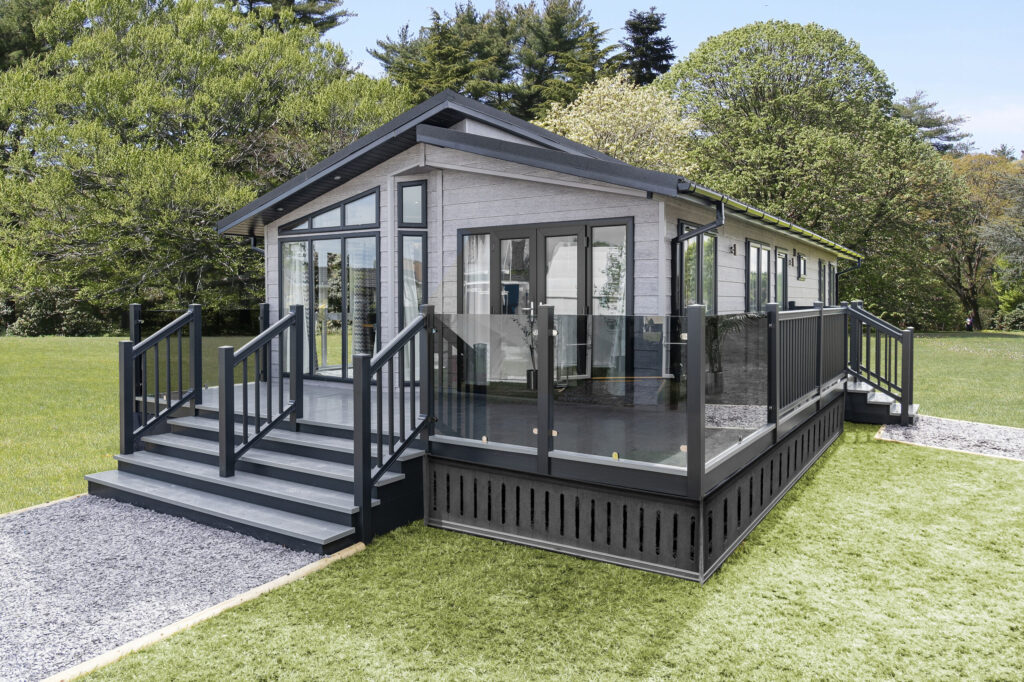
- Decking or steps (depending on the model)
- Driveway or allocated parking
- Landscaping on completion
Always ask for a full inclusions list so you know exactly what to expect when you move in.
One-Off Costs to Budget For (Checklist)
Even with a simple moving process, it’s wise to plan for the upfront expenses that come with buying and settling into a park home:
- Legal advice to review the Written Statement and pitch agreement
- Survey or condition report (especially on pre-owned homes)
- Transport, siting, and commissioning if the home is delivered new
- Connections for utilities, broadband, decking steps, and skirting
- Removals, temporary storage, or professional packing
- Initial furnishings and white goods (if not included)
These costs vary from buyer to buyer, but planning ahead prevents surprises later.
Ongoing Costs You’ll Pay Each Year or Month
Park home living is known for predictable and often lower running costs.
Pitch fees/ground rent
Pitch frees, sometimes known as ground rent, are what you’ll pay to the site. This covers services such as:
- Security, CCTV, or gated access
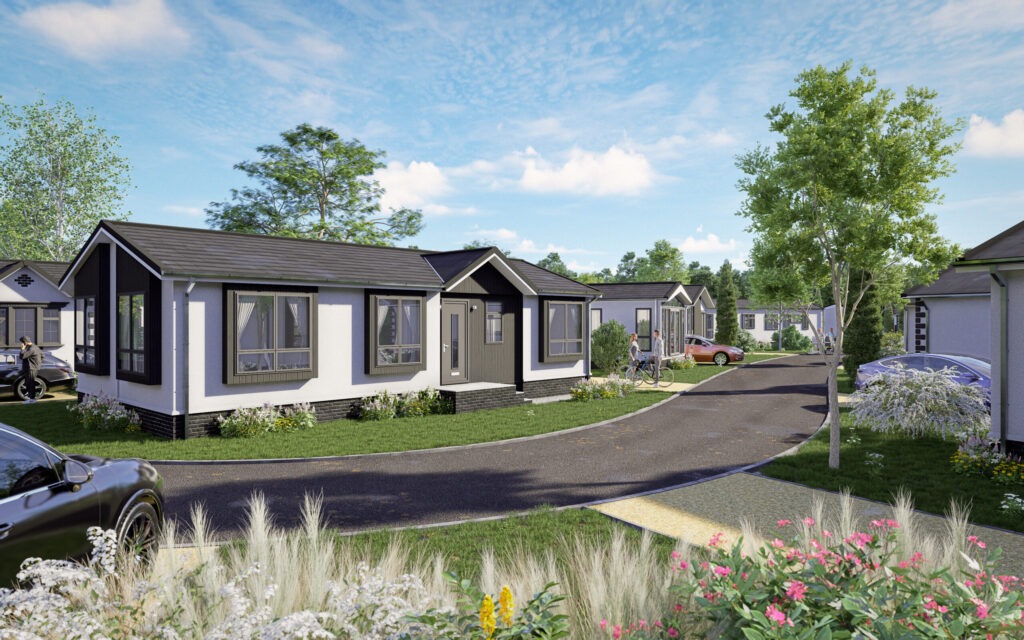
- Road and pathway maintenance
- Drainage and sewage systems
- Lighting and landscaping
Pitch fees are usually reviewed annually and often linked to inflation (CPI).
Council tax
Since your park home is your permanent home, you’ll be paying council tax. Most park homes fall under Council Tax Band A, the lowest band, although it’s always worth checking with the local authority.
Utilities
You’ll pay for the utilities you use, typically including:
- Metered electricity
- LPG or mains gas
- Water and sewerage
Usage varies by season and home size, but BS3632 homes are very energy efficient.
Insurance
You’ll need specialist park home insurance that protects the structure, contents, and external features.
Check:
- Storm cover
- Accidental damage
- Outbuildings and decking
- Public liability protection
Maintenance
Although minimal, budget for things like:
- External checks
- Gutter clearing
- Driveway or decking upkeep
- Chassis inspections (as recommended)
On-park amenities
If your park has a clubhouse, gym, community hub, or similar facilities, charges may be included in the pitch fee or paid separately. At EKOS we have on site managers to help with questions, maintain grounds and ensure you experience stress free living.
Funding Your Purchase (Over-50s Options)
There are several flexible paths to purchasing your new home, depending on your circumstances.

Cash & Sale Proceeds
Most buyers fund their park home through the sale of an existing property. Carefully consider timing if you’ll need bridging funds or a temporary move.
EKOS Part Exchange scheme
The EKOS Part Exchange Scheme allows you to sell your current home directly to EKOS Group when you buy one of our luxury park homes. EKOS manage the entire process, working with trusted estate agents to ensure a smooth and secure sale, so you don’t have to deal with viewings, chains, or last-minute surprises. Part exchange allows you to:
- Secure your new home before selling
- Avoid estate agent fees
- Move on a timescale that suits you
- Reduce uncertainty or housing chains
The trade-off is usually receiving the market value rather than a potentially higher private sale price.
Equity release / lifetime mortgage / RIO mortgage
These options may help if you need additional funds, but regulated financial advice is essential.
Consider:
- Long-term affordability
- Impact on inheritance
- Eligibility and interest structure
Specialist park home finance
Some lenders provide secured loans specifically for park homes. Rates and terms vary, so proceed with caution. Several specialist finance companies offer loans specifically designed for park homes. These are not mortgages, as they use the park home itself as collateral rather than the land, and are regulated by the Financial Conduct Authority (FCA).
Gifting and family contributions
If family members are contributing, ensure you receive legal and tax advice to keep everything clear, fair, and compliant.

Affordability Planning That Works in Real Life
Budgeting isn’t just about covering today’s costs; it’s about feeling confident for the years ahead.
Create a realistic monthly budget
Include:
- Pitch fee
- Utilities
- Insurance
- Transport
- Leisure and personal spending
- Contingency for unexpected expenses
Build a 6-12 month emergency fund
This is one of the most effective ways to gain financial security, especially during life’s transitions.
Stress-test your finances
Ask yourself:
- What if pitch fees rise with inflation?
- What if energy prices increase?
- What if transport or healthcare needs change?
A simple scenario plan prepares you for real-world shifts.
Downsizing dividends
Many park home residents see major savings compared with a typical bungalow, including:
- Lower energy bills
- Minimal maintenance
- No stamp duty
- Fewer unexpected repair costs
Downsizing can free up equity and reduce long-term expenses dramatically.
Contracts, Protections & What to Read Carefully
Residential park living comes with strong legal protections — as long as you understand the paperwork.
Written Statement / pitch agreement
This is the most important document. Check:
- Pitch fee terms
- Review mechanisms
- Rights and responsibilities of the homeowner
- Park owner obligations
- Resale procedures
Park rules & age criteria.
These set expectations around pets, parking, visitor stays, age requirements, and lifestyle standards. Check within the agreement, with your Park Home operator, the regulations and requirements of living at your loaction.
Warranties & standards
Homes built to BS 3632 are fully residential, with excellent insulation and energy efficiency. New homes come with structural warranties (often 10 years) and manufacturer guarantees.
Resale considerations
If you ever choose to sell, consider:
- Park assignment fees (if applicable)
- Presenting your home well
- How long properties typically stay on the market
- Whether the site allows direct buyer viewings
Tax & Legal FAQs (Straight Answers)
Do I pay Stamp Duty?
Generally, no, residential park homes are exempt from Stamp Duty.
Are mortgages available?
Traditional mortgages are rare. Specialist park home finance or equity-based solutions are more common.
Are park homes freehold or leasehold?
Neither. You own the home but rent the pitch under a legal agreement.
Can pitch fees increase?
Yes, usually annually and typically linked to CPI. This will be detailed in your Written Statement.
What insurance do I need?
A specialist park home buildings and contents policy.
Case Studies: How Others Planned Their Move
Jane, 62
Jane sold her three-bedroom semi-detached home, used EKOS Part Exchange, and moved into a new two-bedroom park home. With no agent fees and lower running costs, she reduced her monthly outgoings by around 40%. See our page residential park homes for the over 50s.
David & Moira, 70 & 68
They were cash buyers who set aside a 12-month emergency fund before moving. Their monthly budget now includes pitch fees, utilities, insurance, leisure, and travel, which is now still significantly less than maintaining their old property.
Next Steps with EKOS Homes

We’re here to make the journey simple, transparent, and enjoyable. You can select any of our sites to visit a show home and explore our beautifully finished designs. When you visit, our lovely team will help you compare plots, layouts, and specifications across our communities, as well as helping you with realistic financial advice.
Ready to explore your next chapter? Book a viewing, request a brochure, or get in touch with the EKOS team today.