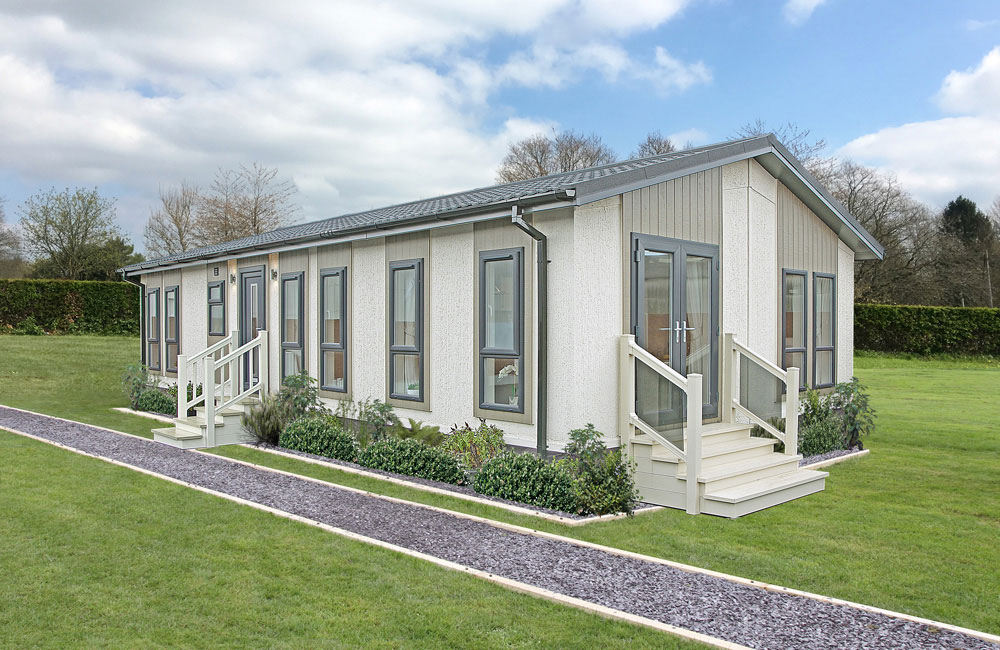
Residential park homes are becoming a more and more popular option for individuals and couples looking to enjoy a community feel within a secure and relaxed environment, perhaps after retiring or as they approach that era of life. A quick online search for a residential park home near you can bring up a surprisingly wide range of results, from genuine residential parks to holiday parks, caravan sites and seasonal developments. However, some sites may not have any suitable homes available, while others may look close on a map but prove less convenient for everyday life.
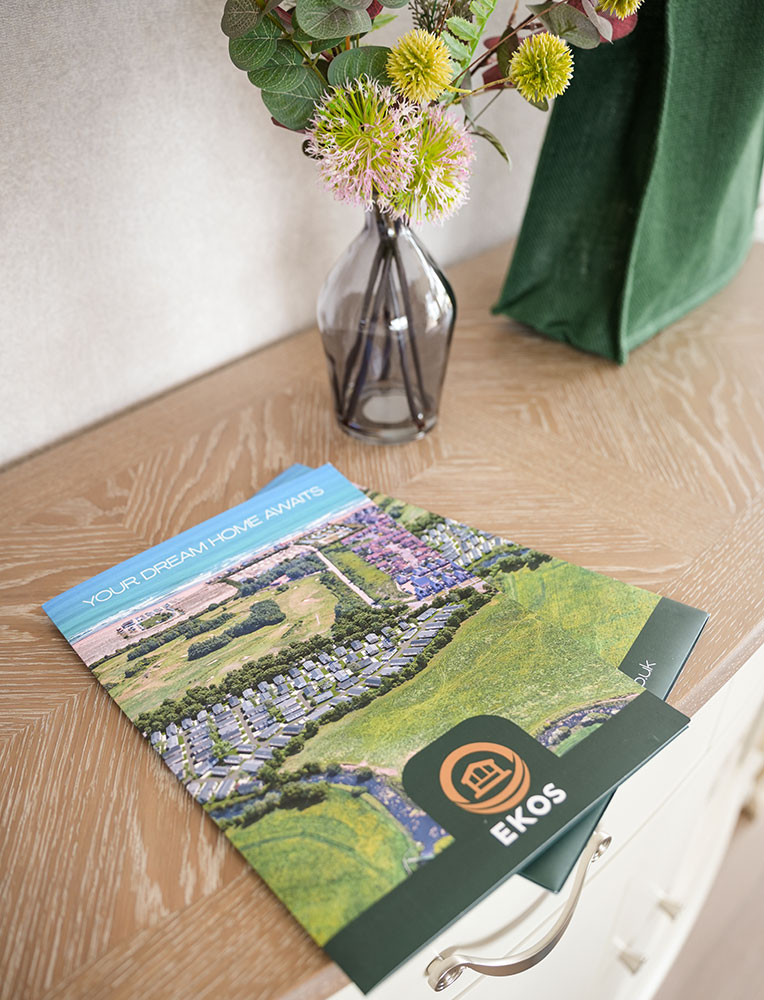
It’s worth noting, the nearest park isn’t necessarily the right park. So, when choosing a residential park home site, it’s worth looking beyond distance and considering whether the park is licensed for permanent residential living, where it is situated, what homes are available, how the community is managed and how practical the location will remain as your needs change.
This guide will help you move from an initial online search to a manageable shortlist, and, ultimately, to visiting the parks that could genuinely feel like home.
How to Find Park Home Sites Near You
Begin with a Local Search
Your first search should reflect the area you would genuinely be happy to call home. Try combining the type of home you’re looking for with a town, county or region. For example, you might search for residential park homes in Cornwall, park home sites for over-50s in Norfolk or residential park homes near Reading.
You can also add practical requirements such as:
- Residential park homes
- Over-45s or over-50s park homes
- New park homes
- Park homes near family
- Park homes near a particular town
- Park homes near healthcare or transport links
A “near me” search is useful for discovering possibilities, but don’t rely on it alone. Search engines don’t always make the distinction between residential and holiday accommodation obvious.
For every promising result, check the operator’s own website and confirm that it is a residential park before adding it to your shortlist.
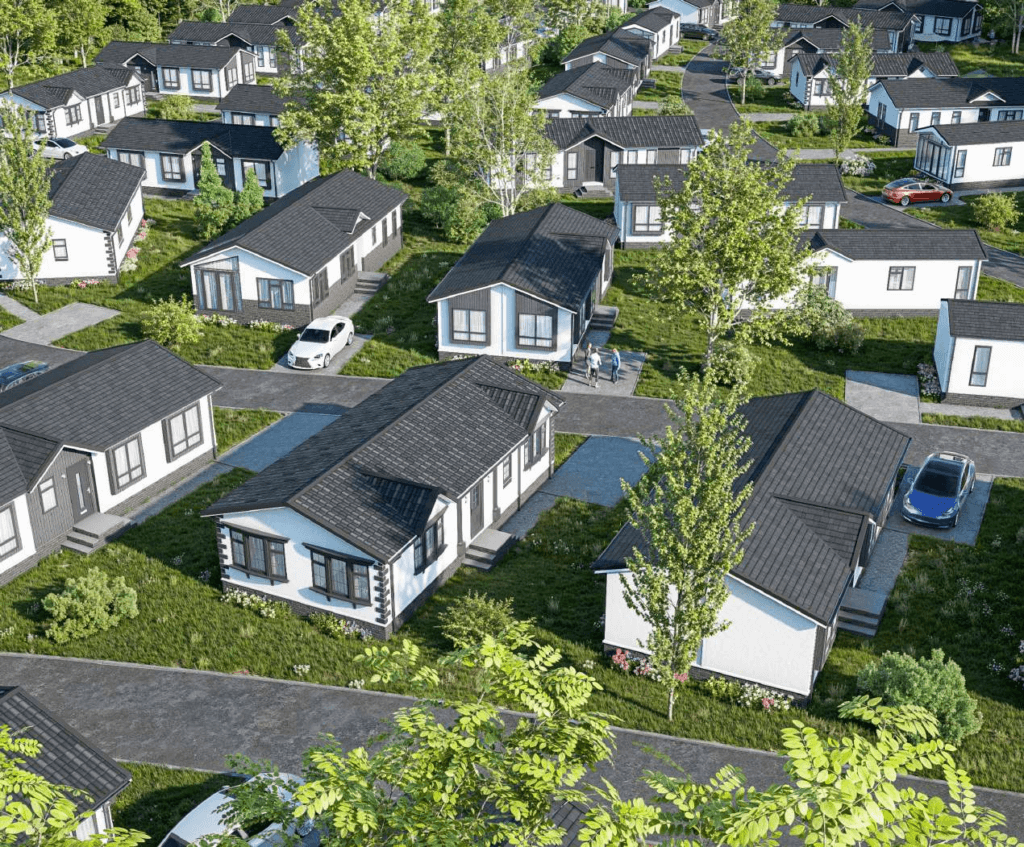
Decide How Far You Are Prepared to Move
Distance isn’t the only consideration. Think about journey time and how often you expect to make the journey.
If being close to family is important, consider how easy it will be for children and grandchildren to visit. A park that is 30 miles away on an easy motorway route may be more practical than one that’s 15 miles away along slow rural roads.
Think about your existing healthcare arrangements, too. Would you prefer to remain close to your current GP, dentist or hospital? Would you be comfortable changing providers if necessary?
It can also be useful to consider how your life may look in five or ten years. A location that works perfectly while you’re driving regularly may feel very different if you eventually want greater access to public transport, shops and healthcare.
Don’t be afraid to widen your search area. You may discover a park that offers a much better balance of lifestyle, convenience and value simply a little further from your original search point.
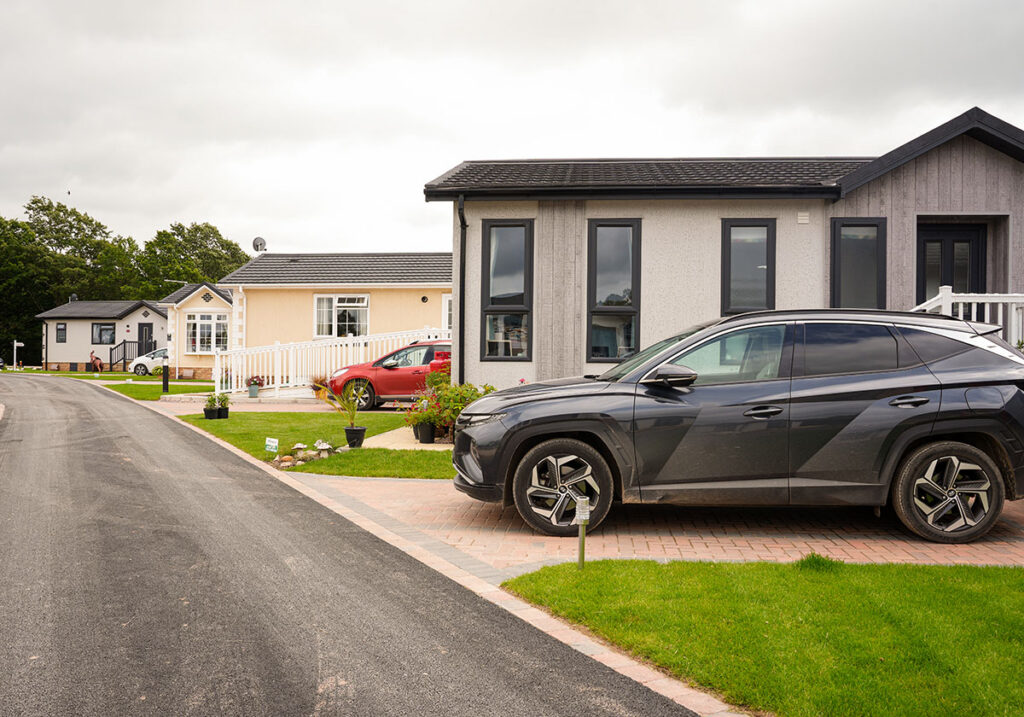
Use Maps to Investigate the Wider Area
Once you’ve found a potential park, look beyond its entrance! Online maps can help you investigate the surrounding area before you arrange a viewing. Look for supermarkets, independent shops, GP surgeries, pharmacies and hospitals, as well as railway stations and bus routes.
Check the road connections, too. If family visits regularly, how straightforward is the journey? If you still work, what would the commute actually look like at peak times?
It’s also worth looking at the things that make everyday life enjoyable. Are there cafés, restaurants, leisure facilities, parks or walking routes nearby?
And remember that a straight-line distance can be misleading. A shop that appears to be less than a mile away may involve a busy road, steep gradient or lack of pavement.
If possible, investigate the area at different times of day. Traffic, commercial activity and noise can all change depending on the time and day.
Visit the Park Operator’s Website
Once you’ve identified a potential site, go directly to the park operator’s website.
This is often where you’ll find the most useful information about the park, including its residential status, location, minimum-age requirements, available homes and viewing arrangements.
Look for:
- Current homes and plots
- Show homes
- Park rules
- Age requirements
- Viewing or open-day information
- Contact details
- Information about the operator
- Resident experiences or reviews
For example, EKOS Homes provides information about its individual parks as well as a wider overview of its residential communities. Its parks range from countryside and coastal locations to sites close to established towns and amenities.
The aim at this stage isn’t to make a decision; it’s simply to establish whether the park is worth investigating further.
Check That the Park Allows Permanent Residential Living
A website describing a park as “open all year” or offering a “12-month season” doesn’t necessarily mean that permanent residential occupation is permitted. Similarly, phrases such as “long-stay accommodation” or “holiday home ownership” can relate to non-residential use.
If you’re looking for a home rather than a holiday property, establish:
- Whether the park has planning permission for permanent residential occupation
- Whether the local authority has issued the appropriate site licence
- Whether the pitch you’re considering is within the residential part of the park
- Whether the home can be used as your main residence
- What conditions govern occupation
- What the Written Statement or other agreement says
- What park rules apply
LEASE specifically recommends checking the residential status of the site and your pitch, as a site can have different areas or permissions.
GOV.UK also explains that the Written Statement sets out important rights, obligations, rules, charges and services for park home residents, and gives buyers time to review it before signing.
This is an area where independent legal advice can be valuable, particularly if you’re unsure about the documentation or residential status of a particular pitch.
For more guidance on the wider buying journey, you can also read EKOS Homes’ step-by-step guide to buying a residential park home.
Create a Shortlist of Suitable Residential Park Home Sites
Once you’ve established which parks genuinely meet your requirements, it’s time to narrow them down.
Rather than trying to remember the differences between ten or fifteen parks, aim for a shortlist of around three or four realistic options.
Location and Everyday Convenience
Consider how each park works for everyday life. Think about:
- Shops and supermarkets
- Healthcare
- Public transport
- Road connections
- Leisure and social facilities
- Your reliance on a car
- Distance from family and friends
- How practical the location could remain in later life
A beautiful location is wonderful, but it needs to work on an ordinary Tuesday morning as well as on a sunny Sunday afternoon.

Age Requirements and Park Rules
Age requirements vary between residential parks, so don’t assume that every park has the same criteria.
EKOS Homes, for example, has parks for different age groups depending on location, including communities for those aged 45 and over and others for 50 and over.
It’s also worth checking the rules around pets, visitors, parking, commercial vehicles and alterations to your home or plot.
Ask to see a copy of the park rules before you commit. Understanding them early means you can make sure the community suits the way you want to live.
Available Homes and Budget
A park may look perfect online but have no suitable home available when you’re ready to move.
Check whether it currently has:
- New park homes
- Show homes
- Available plots
- Pre-owned homes
- Your preferred number of bedrooms
- Homes within your budget
- A realistic timeframe for moving
If you’re considering a brand-new home, ask what choices are available for layouts, décor and finishes. Some developers offer much more flexibility than others.
EKOS Homes, for example, are designed with customisation in mind, allowing buyers to work around their preferred lifestyle and design choices.
Detailed purchase and running costs deserve their own consideration, so make sure you request the current figures for the specific park and home you’re considering.
Park Management and Maintenance
A well-presented park can tell you a lot about how it is managed.
Look for clear management contacts, maintained communal areas, tidy roads and paths, and evidence that the park continues to be looked after.
Ask whether there is on-site management and who you would speak to if you had a question or needed something addressed.
At EKOS Homes, parks have on-site management and maintenance support, with the wider team focused on maintaining welcoming, well-kept residential communities.
What to Look for When Comparing Residential Parks
When you’ve narrowed down your choices, try comparing each park using the same criteria.
Look at the general appearance and maintenance of the site. Are roads, footpaths and communal areas well cared for? Is there appropriate lighting? Are plots well spaced, and do homes have a good level of privacy?
Consider parking for both residents and visitors, as well as the park’s security arrangements and on-site management.
It’s also worth asking about waste and recycling, maintenance arrangements and pet policies.
Then think about the atmosphere. Does the park feel peaceful? Are people friendly? Is there noticeable traffic or noise from nearby roads or businesses?
Finally, ask about anything that may change. Is construction currently taking place? Are further phases of development planned? Future development isn’t necessarily a negative, but you should understand how it could affect the park and your chosen plot.
Questions to Ask Before Arranging a Visit
Before booking a viewing, a few simple questions can save you time and help you focus on the parks that genuinely suit your needs.
Ask the park operator:
- Is the park licensed for permanent residential use?
- What minimum-age requirement applies?
- Are suitable homes or plots currently available?
- What are the current pitch fees?
- What does the pitch fee include?
- How are utilities charged?
- Are pets permitted?
- What parking is provided?
- Is there an on-site manager?
- What rules apply to visitors?
- Are further development phases planned?
- Can I see the written park rules?
- Are show homes available?
- Can I speak to existing residents?
You don’t need to have every answer before arranging a viewing. In fact, visiting the park is often the best way to understand whether it feels right.
Why You Should Visit More Than One Park Home Site
Photos can tell you what a park looks like, but a visit tells you what it feels like. If possible, visit more than one residential park home site before making your decision. You may be surprised by how different two parks can feel, even when they offer similar homes.
During each visit, pay attention to the road access, noise levels, gradients and walkability. Look at plot size and spacing, communal areas and general maintenance.
Check your mobile reception and, if you intend to work from home, ask about broadband availability.
Notice how the park team welcomes you. Are they approachable and able to answer your questions clearly?
And don’t forget to explore the surrounding town or village. Walk around if you can. Visit a shop. Find the nearest café. Look at the route to the GP or railway station.
If the opportunity is available, speaking with existing residents can also provide useful insight into everyday life on the park.
EKOS Homes offers opportunities to visit its parks and show homes, with one-to-one time with the team and the opportunity to hear from current residents at certain visits and events.
Explore EKOS Residential Park Home Sites Across the UK
If you like the sound of an EKOS Homes park, pay us a visit! We have homes all across the UK, from the seaside to the countryside, from mere moments from busy high streets to parks on beautiful estates.
Read our Supporting Articles
What Makes EKOS Homes Different
Financial Planning for a Park Home Move: A Complete Guide

What is a 12-Month Residential Park Home?